The Art of Digital Communication: The Purpose and Power of Icon Sets
In our digital-first world, communication is not just about words. Visual symbols—icons—are a fundamental language, instantly conveying concepts, actions, and services. For designers, developers, and content creators, a cohesive set of icons is as crucial as a well-chosen font palette. This is where specialized icon packs, like a comprehensive Smart City Icon Pack, become invaluable tools, transforming abstract ideas into clear, engaging visual narratives.
What Is an Icon Pack and Why Does It Matter?
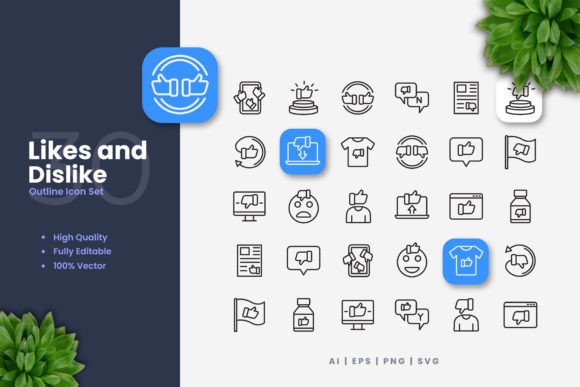
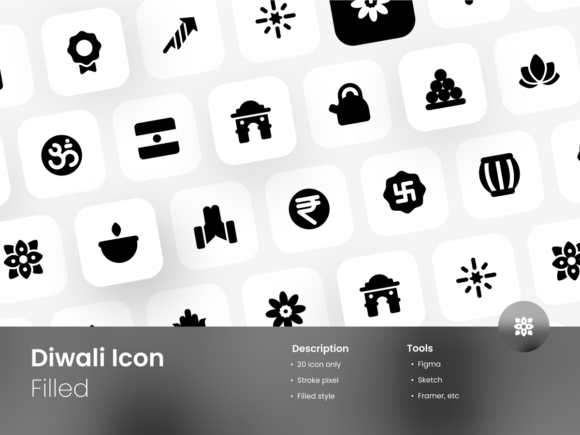
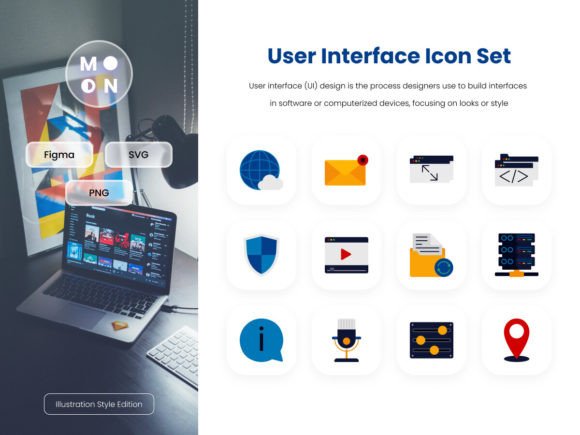
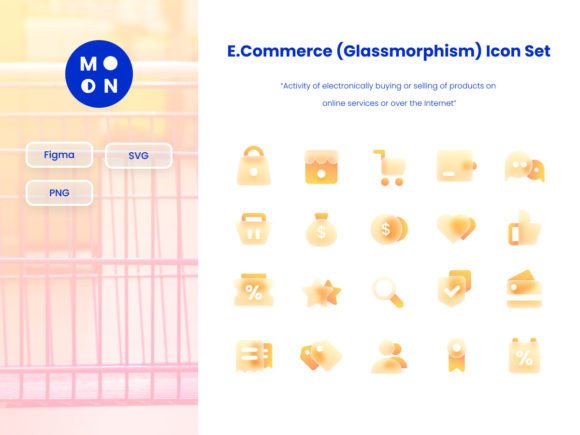
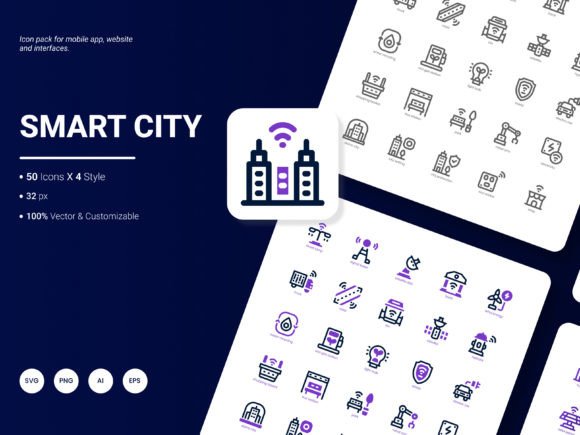
An icon pack is a curated collection of graphic symbols designed around a common theme, style, and purpose. Unlike randomly sourcing icons from various places, a pack provides consistency—a unified visual voice. Think of it as a complete vocabulary for a specific subject. The Smart City Icon Pack, for instance, offers 200 stylish icons dedicated to modern urban services and innovative concepts. This consistency is vital for building trust and clarity in any digital interface.
When users encounter a website, app, or report, cohesive icons reduce cognitive load. They don’t have to decipher new visual rules at every turn. A familiar icon for “public transportation” or “recycling” communicates instantly, making the experience intuitive. This seamless communication is the core purpose of a well-designed icon set: to bridge the gap between complex ideas and user understanding effortlessly.
The Significance in Modern Digital Design
Icons are the silent guides of our digital experiences. Their significance extends across multiple domains:
- Website Design: They enhance navigation, call attention to key services, and break up textual monotony, improving both aesthetics and usability.
- Mobile Applications: With limited screen space, icons are essential for intuitive menus, feature identification, and creating a polished, professional look.
- Presentations & Reports: In analytical reports or infographics, icons translate data and processes into memorable visuals, making information accessible to a broader audience.
- Marketing & Templates: They provide ready-made professionalism for flyers, email campaigns, and business templates, speeding up creation while maintaining brand integrity.
Using a dedicated pack like the Smart City set ensures that projects about urban innovation, tech startups, municipal services, or sustainability reports are visually coherent and immediately recognizable.
Exploring the Smart City Icon Pack: A Toolkit for Modern Narratives
Let’s delve into what makes a specific pack, such as this Smart City Icon Pack, a practical asset. Comprising 200 icons, it covers a wide spectrum of popular themes—from electric vehicles and renewable energy to smart grids, digital connectivity, public services, and civic ideas. This breadth makes it perfect for projects discussing future technologies, community planning, or environmental initiatives.
Key Features That Empower Creators
The utility of an icon pack is defined by its technical flexibility and design quality. This pack highlights several essential features:
- Multiple File Formats (AI, EPS, SVG, PNG, PDF, JPG): Offering icons in 6 formats is critical. SVG and AI/EPS files are scalable and editable for custom design work, while PNGs are ready for web use, and PDFs/JPGs suit documents. This versatility ensures the pack fits into any workflow, from professional graphic design to simple website building.
- Editability and Customization: The fact that icons are easily edited means you can adapt colors, sizes, or minor details to match your exact brand palette or project theme without starting from scratch.
- Stylish and Trendy Design: An amazingly fresh and trendy aesthetic keeps your project looking current. Visuals that feel outdated can undermine the message of innovation, especially for topics like smart cities.
- Flexible Integration: The ability to be flexibly integrated into designs means they work harmoniously with your existing layouts, components, and styles.
These features collectively move the pack from being a mere collection of images to a dynamic design resource. They respect the creator’s need for both speed and creative control.
Common Misunderstandings About Using Icon Packs
Some assume that using pre-made icons is a shortcut that compromises originality. This is a misconception. Professional icon packs are foundational tools, not final solutions. They provide a high-quality, consistent base that designers then integrate and customize within a unique layout, color scheme, and brand context. The originality comes from the holistic design composition, not from inventing every symbol anew.
Another assumption is that all icons are universally understood. While many are standardized (like a trash can for delete), context matters. A specialized pack mitigates this by focusing on a theme—the “smart city” context guides the icon interpretation, making symbols like a “wind turbine” or “data cloud” more logical within relevant projects.
Practical Relevance in Daily Activities and Business
Even if you’re not a designer, the output of these icon packs touches daily life. When you use a city’s app to find a bike-sharing station, the clear icon guiding you likely came from a set like this. When you read a clear infographic about solar energy adoption in a blog, those compelling visuals aid your understanding. In business, a startup pitching a smart parking solution uses such icons to create a credible, sleek pitch deck that resonates with investors.
They democratize good design, allowing small businesses, educators, and non-profits to produce materials that communicate effectively without a massive design budget.
Building a Broader Understanding: Icons as Cultural Symbols
Icon sets reflect evolving societal priorities. A Smart City Icon Pack isn’t just about graphics; it’s a mirror of contemporary focus areas: sustainability, digital integration, shared mobility, and community wellness. By providing symbols for these concepts, the pack enables more people to visualize and discuss these critical topics. It aids in education and advocacy, making complex future-oriented ideas tangible.
In technology and creativity, such resources fuel iteration. They allow prototype developers to mock up app interfaces quickly, or content creators to visualize articles on urban planning. They fit into the iterative, fast-paced nature of modern digital creation where testing ideas visually is a key step.
Looking Forward: The Evolution of Icon Resources
As digital needs evolve, so do icon packs. Feedback from users drives meaningful updates. For a Smart City Icon Pack, future updates might consider:
- Expanding Contexts: Adding icons for emerging concepts like micro-mobility (e-scooters), circular economy symbols, or 5G network infrastructure.
- Interaction States: Including variants for different states (active, inactive, hover) would be invaluable for interactive website and app designers.
- Cultural Diversity: Incorporating icons that reflect global urban experiences, like different types of public markets or housing.
- More Style Variations: While offering 4 styles is excellent, exploring thin line, isometric, or more playful variations could cater to wider design moods.
- Animated Formats: Considering simple animated SVG versions for dynamic web applications could be a forward-thinking addition.
Such enhancements would deepen the pack’s relevance, ensuring it remains a go-to resource for visualizing the ever-evolving conversation around our cities and technologies.
Conclusion: More Than Just Pictures
A comprehensive icon pack, exemplified by the Smart City Icon Pack with its 200 stylish icons and multi-format flexibility, is a vital component in the toolkit of modern communication. It serves an educational purpose, making sophisticated topics accessible. It holds business relevance, elevating professionalism and speed. It embodies creativity, offering a canvas for customization. And it integrates seamlessly into our technology-driven daily activities, from the apps we use to the reports we read.
Understanding its purpose—providing consistent, editable, and theme-specific visual vocabulary—helps anyone involved in digital projects make informed choices. By selecting and utilizing such resources thoughtfully, we craft clearer, more engaging, and more effective digital experiences for everyone.